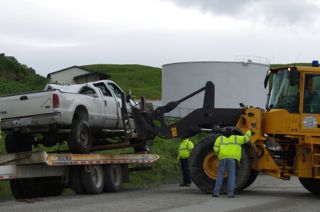
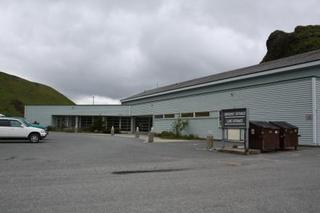
A vehicle ended up in Captain’s Bay over the weekend. Police say it appears to have been stolen. The roads crew pulled a white Ford F-350 truck out of the water near Westward on Sunday morning. Sergeant Bill Simms says the truck rolled on its way into the Bay, crushing the roof.
“It was actually upright, submerged in about a foot, foot and a half of water. The tide fortunately was going out, so I can imagine it would have been lot worse if it would have landed upside down and the tide was coming up.”
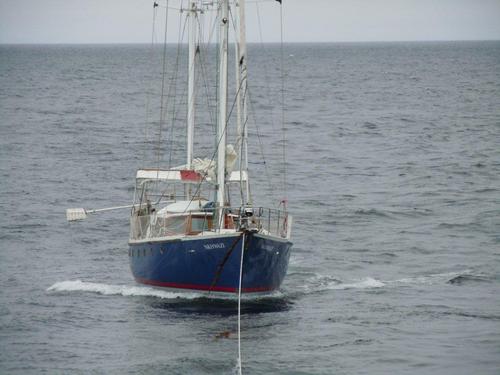
Two sailors headed from Honolulu to Unalaska were rescued just 20 miles south of town late Sunday night. Petty Officer David Moseley says the British nationals first made contact with the Coast Guard on Friday, when the rudder on their sailboat broke.
“They weren’t expecting and they weren’t requesting Coast Guard assistance, but they let us know there was an issue so we could keep tabs of what was going on.”
Rendering of Arctic Challenger/Superior Energy Services
The Coast Guard is relaxing certification standards for Shell’s oil spill containment barge. The company convinced regulators the Arctic Challenger should be considered a mobile unit. Among other things, that means its mooring system only needs to be able to weather a 10-year storm, as opposed to the more rigorous 100-year standard for fixed platforms.
But the change in certification standards doesn’t mean the barge has been approved to head north. The Coast Guard says there are still a number of fixes that need to be made before the vessel is ready for inspection. Neither the Coast Guard nor Shell could provide information about when an inspection will take place.
The Alaska Department of Transportation is accepting bids to refurbish the M/V Tustumena. The ferry, which travels through the Aleutian Islands on the Alaska Marine Highway System, was first commissioned in 1964. The DOT estimates the repairs and upgrades will cost 5 to 7 million dollars, which will be paid for by the federal government. Construction is planned for this winter and set to finish in April 2013.
The city planning commission approved an update to city code at a meeting Thursday night. The new rules would clarify the requirement for no-cost utility easements, and cut minimum property lot sizes.
A small but vocal group of residents spoke out against the changes. They raised concerns about a proposed 10-foot easement requirement for utilities and drainage. Some said the requirement could lower property values by cutting into yard space. Others argued that the easements could cancel out any benefits developers might see from the city’s proposal to lower minimum lot sizes.
A month-long saga that left a handful of Sand Point residents banned from PenAir’s facilities -and consequently their flights - ended on Tuesday.
The row started on June 27, when a letter signed by PenAir CEO Danny Seybert was posted in the company’s Sand Point terminal. The subject was “Denied Access,” and the letter listed 15 residents, all affiliated with the Qagan Tayagungin tribe, who were no longer welcome on PenAir property. The letter didn’t specify a reason for the ban, but QT tribal executive Tiffany Jackson said in an interview Friday that it was obvious.
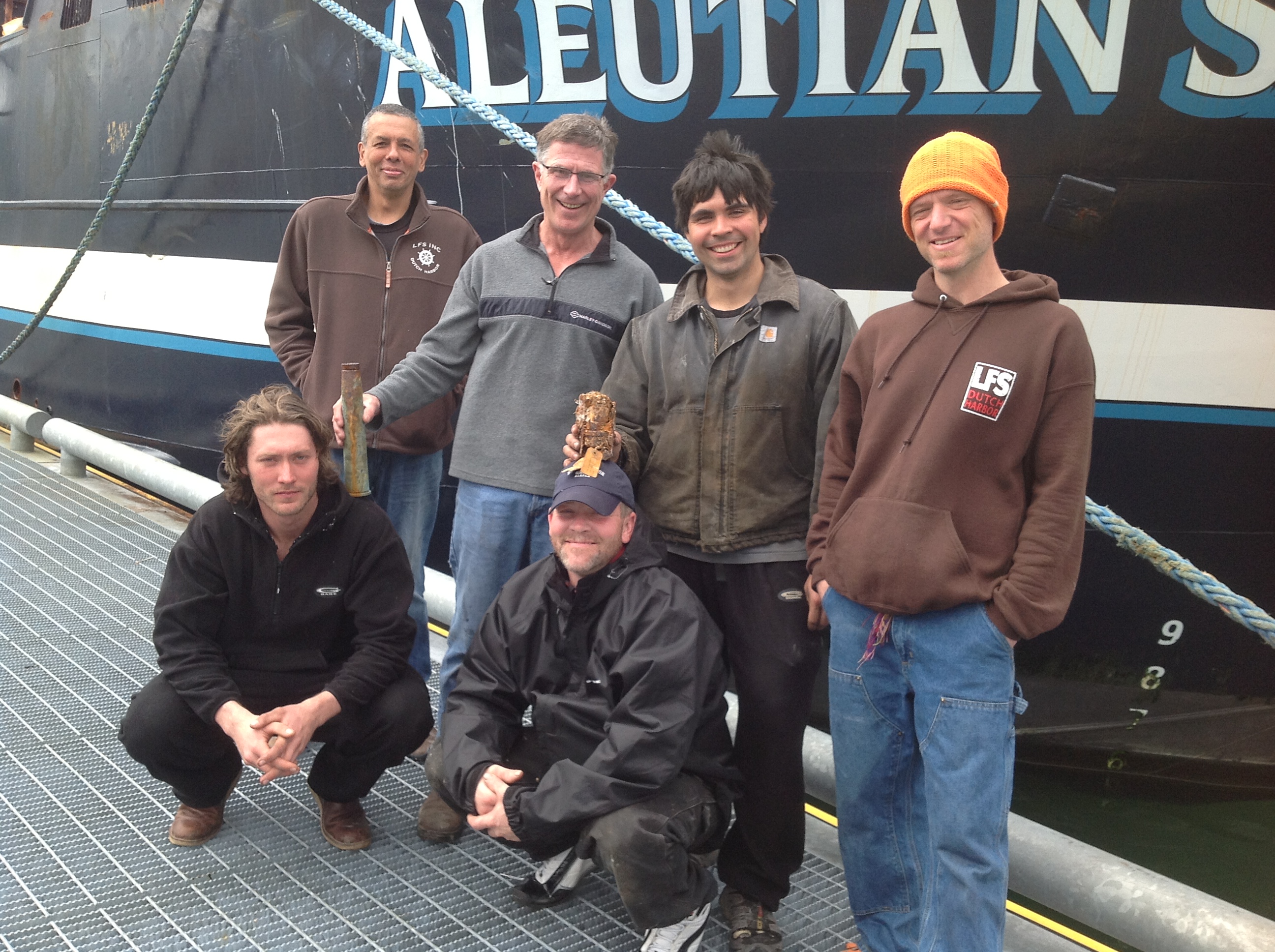
By the time he pulled up the mine, Jimmy Berg had caught as much metal as fish.
Berg is a deckhand on the Aleutian Sable, and he was hauling black cod pots just outside Unalaska one day in late June. He’d already found a 35 millimeter shell in his pot, so he wasn’t particularly surprised when he spotted this thing stuck to another pot a few hours later.
It was a hunk of rust the size, and color, of a brick. It seemed harmless enough – until it shocked him.
The board of the Iliuliuk Family and Health Services clinic voted to reject a $525,000 federal grant at a meeting Wednesday night.
The grant is part of a Health Resources and Services Administration program designed to increase rural access to healthcare. In 2011, the IFHS clinic requested money for a mobile exam room, to be installed in a van. The van would have traveled to processors and harbors to cut wait times at the clinic’s main site during fishing seasons.
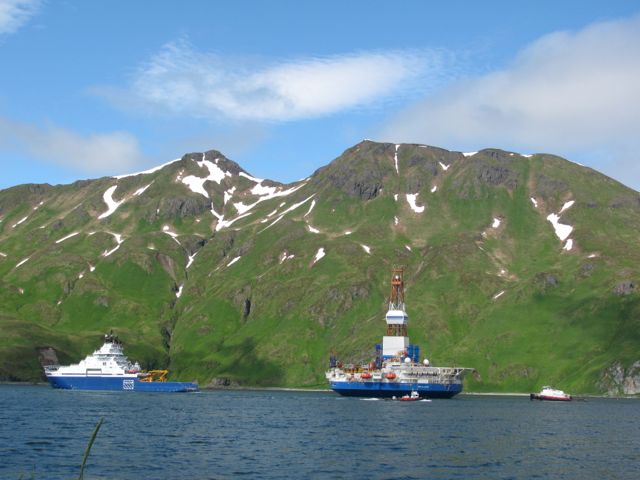
Shell had planned to start drilling in the Arctic this week, but persistent sea ice and a number of last-minute stumbling blocks have delayed those plans indefinitely.
The company says sea ice forecasts look favorable starting the first week of August, but Interior Secretary Ken Salazar told The New York Times Tuesday that his agency might not issue final permits for Shell’s summer drilling plans until August 15 – if at all.
Shell spokesperson Curtis Smith says the company won't have time to complete the five exploratory wells it had planned to drill this summer.
“Because of the lingering sea ice alone, we’ve been forced to recalibrate our expectations in terms of the number of total depth wells we can drill in the offshore...